2013年7月25日星期四

Tailgate burger tricks

Tips For A
Perfect BurgerA juicy, tasty burger is the cornerstone of a successful tailgate party. Follow these foolproof tricks for a perfect burger every time.

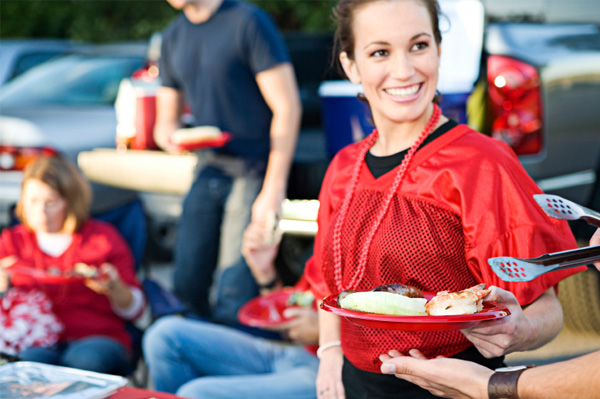
Woman getting hamburger from tailgate

FRESH IS BEST

It should go without saying that the best-tasting burger begins with fresh, high-quality beef. Don't make the mistake of relying on pre-made frozen patties. To get that unbelievably juicy burger, start with ground chuck, ground sirloin or good ground beef with 20 percent fat.

KEEP IT COLD

Make sure your meat is securely wrapped before placing it in an insulated cooler and packing with ice. Proper food storage mandates that your meat remains at 40 F or below. The meat should be fresh and cold when you prepare it for the grill.

be gentle

Don't overwork your meat, either. Use a gentle hand with your patties. The less you handle them, the juicier they'll be. Also, don't pack your patties too tightly. This can cause your burger to dry out and become tough. Keep the patty loose.

Don't squeeze... indent

We've all seen people take a spatula to a burger while it's on the grill and squeeze it in an attempt to flatten the patty. Do not, under any circumstances, squeeze your burgers. It does not flatten them; all it does is squeeze out the moisture, leaving you with a dry, tasteless burger. Combat bloated burgers by making a small indentation in the center of your burger with your thumb as you form the patty.

DON'T FLIP OUT

Resist the temptation to flip burgers repeatedly. Flipping only once will help maintain maximum juiciness. Allow the first side to cook fully before flipping. You'll know the first side is done when the juices that come to the top are clear.

WHEN TO GLAZE

Wait until right before your burger is done before adding any glaze. Most glazes contain sugar, which burns easily over high heat.

REST, DON'T RUSH

Your burger is now grilled to perfection, but don't rush to taste your creation. Let the meat rest for a couple of minutes to allow the juices to redistribute evenly. Once you've allowed your burger to rest, nestle it into a soft, fresh bun, dress it with condiments and other toppings, and enjoy your masterpiece.

More tailgating tips

How to grill the perfect burger: Tailgate style
Tailgate party themes
Top 10 Tailgate must-haves

2013年7月24日星期三

Simple ways to prevent a yeast infection

Woman eating yogurt

If you're suffering from a yeast infection, you aren't alone. Up to 75 percent of women will have a yeast infection in their lifetime and over 40 percent of women get more than one.

Tips to avoid a
yeast infection

If the itching, burning, discharge and other discomforts of this medical condition are a regular occurrence, see your doctor for treatment and take the following precautions to reduce your risk of getting a yeast infection.

Boost your immune system

Your immune system helps fend off all types of infections, including yeast infections. Taking care of your health is one of the best ways to ensure your body is functioning at its peak. Adopt a healthy lifestyle that includes a balanced diet, regular exercise, adequate sleep and effective stress management tactics to boost your immunity.

Opt for yogurt

Probiotics get a lot of press for promoting good bacterial balance in the digestive tract, but probiotics may also help you avoid getting a yeast infection. Read labels and reach for yogurt that contains "live and active cultures." Since taking antibiotics can also put you at risk for a yeast infection, be sure to have an extra serving or two of probiotic-rich yogurt while you're taking them.

Stay dry

Resist the temptation to hang out and chat with your BFF after spin class. Meet her after you hit the locker room and change into dry clothes. The warm dampness of your sweaty workout wear is an ideal environment for a yeast infection to grow.

Cotton is the way to go

Since yeast thrives in damp environments, breathable fabrics like cotton can help prevent yeast infections. Wear only cotton underwear or undies with a cotton panel in the crotch. Same goes for pantyhose -- wear only the kind with a cotton panel.

Loosen up

Tight pants are fine for that special date or outing, but wearing tight-fitting attire every day can put you at risk for a yeast infection. This doesn't mean you're sentenced to a life of thin, baggy pants. Simply wear clothing that allows your female region to stay cool and dry. Swap out your tight pants for a flattering dress -- you'll be more comfortable and might prevent an infection.

Don't douche

Douching may sound like a great idea to stay clean but it actually puts you at a greater risk of a yeast infection and can even cause an infection to spread beyond your vagina. The chemicals in douches and scented feminine products can cause an imbalance of bacteria in your vagina, which may lead to a yeast infection.

Wipe right

To keep bacteria from getting transferred from your anus to your vagina, wipe from front to back after using the restroom.

More on women's health

Diet tips for easier periods
Diet tips to prevent menstrual cramps
6 Simple tips for an easier period

2013年7月22日星期一

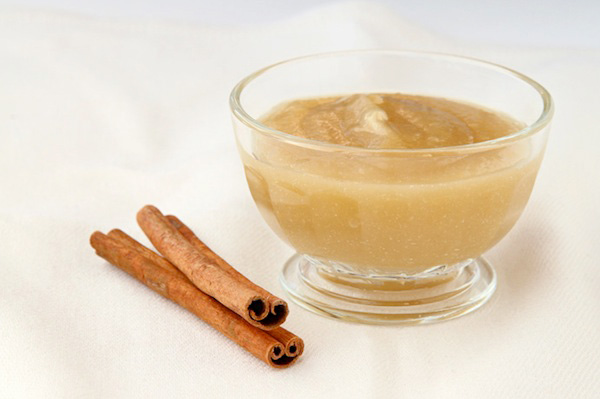
Classic Hanukkah Homemade cinnamon applesauce

Daily Flavor

Homemade is
always better!

Take a little extra time and make homemade applesauce. You'll never buy store-bought again.

Homemade cinnamon apple sauce

Add this homemade applesauce to your Hanukkah feast.

Homemade cinnamon applesauce recipe

Recipe adapted from Jewish Holiday Cookbook

Yields about 1 quart

Ingredients:4 pounds apples2 cinnamon sticks1/4 teaspoon nutmeg1/2 cup apple cider, plus more if needed1 tablespoon lemon juiceHoneyDirections:
    Peel, quarter and core the apples.Place the apples in a heavy pot with the cinnamon sticks and nutmeg. Add the apple cider and lemon juice . Bring to a boil, cover and simmer over low heat, stirring occasionally. If the pot gets too dry, add some extra apple cider.Cook about 20 minutes, or until the apples are soft. Remove the cinnamon sticks.Put the sauce into a blender or food processor and blend until smooth.Taste the applesauce and adjust sweetness as desired with honey.
More apple recipes

Bacon apple pie recipe
Vegan apple quinoa cake
Tonight's Dinner: Savory baked apples

2013年7月21日星期日

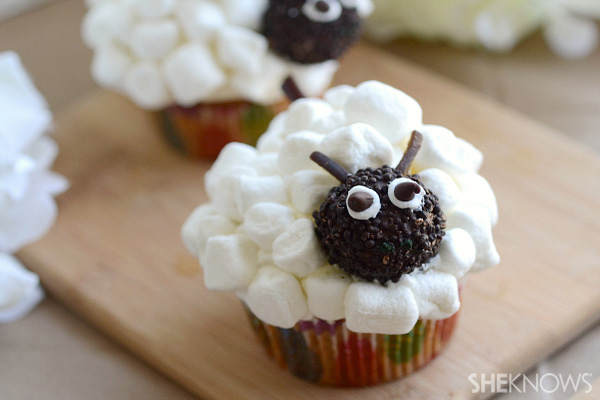
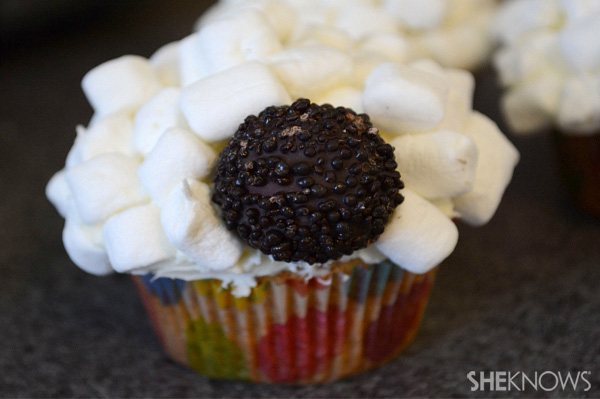
Adorable sheep cupcakes

The Cutest Cupcakes You've Ever Seen!Need a fun, adorable dessert for a baby shower or birthday party? Don't spend a bunch on store-bought goodies. Instead, make these almost too cute to eat sheep cupcakes!

Adorable sheep cupcakes

Aren't these just the cutest thing you've ever seen? Not only are they perfect for any spring occasion, they are easy and cheap to make, only taking an hour start to finish! For some added fun, dye a few mini-marshmallows black so you can create a "black sheep" too!

Adorable sheep cupcake recipe

Adapted from Land O' Lakes

Yields 24 cupcakes

Ingredients:1 box of your favorite cake mix and ingredients to make (we used banana)1 jar creamy vanilla frosting1 bag mini-marshmallows24 Ferrero Rondnoir candiesWhite cupcake icing gel42 mini-chocolate chips1 bag black licoriceDirections:1Mix & bake cupcakes

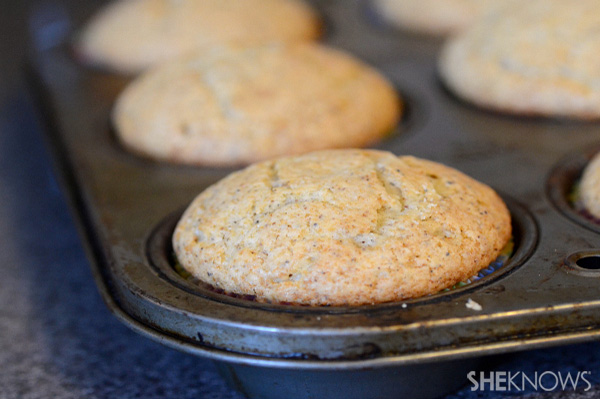
Mix the cake mix with the ingredients called for in a large mixing bowl. Fill cupcake liners 2/3 full. Bake for the time called for on the box. Let cool completely on a wire rack.

Baked_banana_muffins

2Frost & add marshmallows

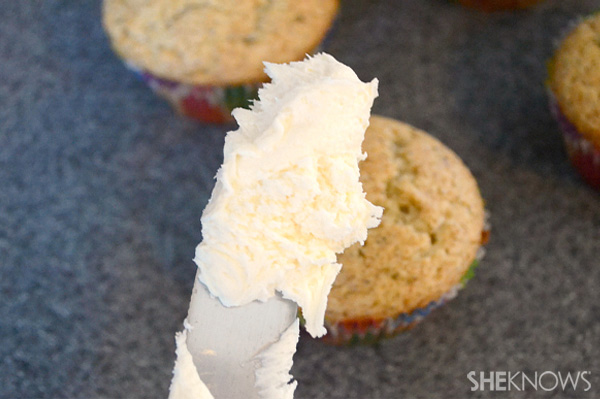
Once cupcakes are completely cooled, frost with the creamy vanilla frosting.

Frost_cupcakes

Cupcakes4

Add the mini-marshmallows to the frosting and cover it completely.

Place_marshmallows

Marshmallow_cupcakes

Leave a space open for the head.

3Add head, eyes and ears

Place a Ferrero Rondnoir candy onto the spot you left open.

Sheep_head

Using your white decorating gel, place two small dots for eyes. Stick mini-chocolate chips into the white to make the pupils.

Eyeballs

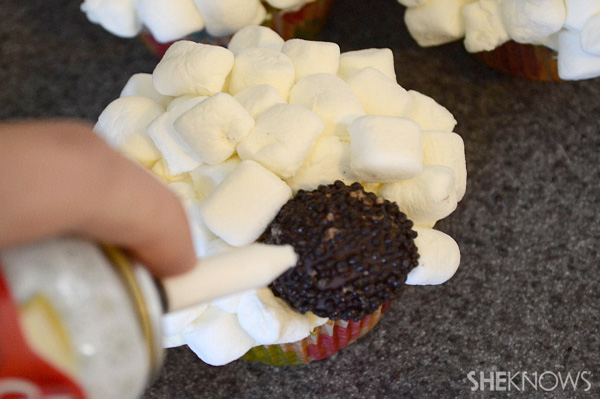
Poke two little holes on the top of the candy for the ears.

sheep4

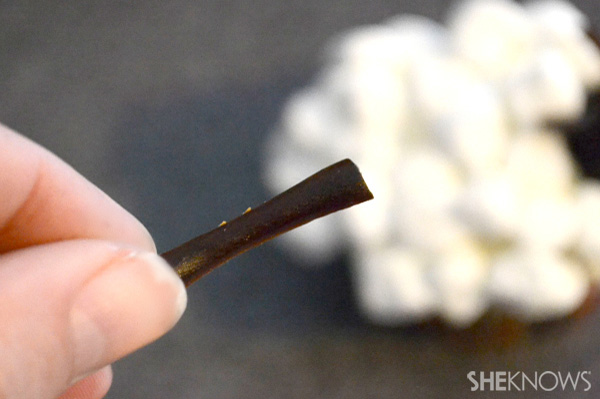
Cut the licorice into small pieces and stick into the holes to make ears.

Sheep_head6

4Add tail & enjoy!

Cut a little licorice piece and stick into the back of the cupcake for the tail.

tail

Cute_sheep_cupcakes

More cute cupcake recipes

Jelly bean flower cupcakes
Frightfully delicious cupcakes
Beautiful flower cupcakes

2013年7月18日星期四

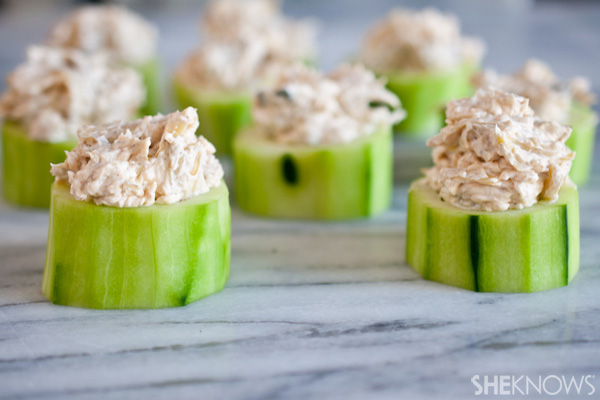
Cucumber cups with skinny artichoke dip

Skinny Artichoke Dip In Fun Cucumber CupsSkip the chips and serve a fun appetizer in a cucumber! This is a great way to get that taste you love with a fraction of the calories. Feel free to make it your own and replace the dip with your favorite hummus or guacamole.

Cucumber cups with skinny artichoke dip

I started making these years ago after seeing cucumber cups on Iron Chef. I'm a little embarrassed at the amount of time it took me to figure out how to make these little gems because it couldn't be easier. All you need is a melon baller.

Cucumber cups with skinny artichoke dipIngredients:4 long English cumbers1/4 cup Greek yogurt4 ounces cream cheese (fat free for lower calorie)1/2 cup frozen spinach, thawed and squeezed dry6 ounces artichoke hearts, drained1/4 teaspoon hot pepper sauce (plus additional to taste)1/4 teaspoon garlic powderSalt and pepper to taste Directions:
    Peel the cucumbers, cut into 1-inch sections.Use a melon baller to scoop out most of the middle, leaving a good portion of the walls and bottom intact.In a small bowl, stir together the remaining ingredients.Fill cucumber cups with dip.Refrigerate until ready to serve.
More skinny recipes

Garlic lemon shrimp skewers
Skinny desserts
Skinny girl BBQ

2013年7月17日星期三

4 Food additives to avoid

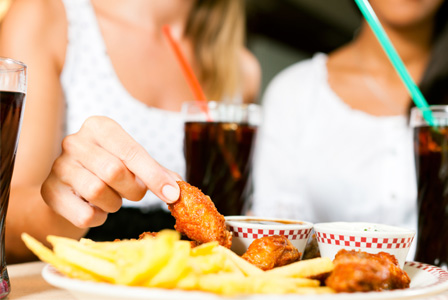
Woman eating fried food and drinking soda

Food additives are added to foods regularly to enhance their flavor or shelf-life. Though they may make the food look prettier, they're often not doing your body any good. Let's take a look at four additives you should avoid.

Worst food additives

The most common food additives today include artificial sweeteners, titanium dioxide, transfat, citric acid, nitrogen, sulfates and more. Food additives are everywhere and found in some of our most favorite foods. Though some aren't bad for us — for example, thiamin mononitrate sounds scary but really is just a fancy name for vitamin B1, others are harmful, and we need to make sure we try and avoid them. Here are the top four food additives you should be on the lookout for.

1Partially hydrogenated oil, or transfat

Fast foods and processed foods typically contain transfat. Even though it's one of the most dangerous substances, the FDA still allows it. Food Matters states that consuming transfats regularly increases your risk of heart disease, strokes, diabetes and other heart-related issues. It can even be found in certain pie crusts, pastries, chips and margarines. If you find yourself with fast food as your only option, choose a salad with minimal dressing.

2High fructose corn syrup

High fructose corn syrup is found in just about every processed food imaginable. It's a leading cause of obesity, heart disease, cancer, tooth decay and more, according to Hungry for Change. Since it's extremely high in calories, consuming even small amounts can be bad for your health. If you haven't noticed just how much high fructose corn syrup you're consuming, start by reading food labels and replacing processed foods with fresh fruits and veggies. You should notice a difference in how you feel immediately.

3Food dyes

Typically, we don't think of food dyes as bad for us, but they are. Most sodas, salad dressings, sports drinks and juices contain food dyes and have been linked to lower IQs. Again, Food Matters states that certain dyes cause chromosomal damage, thyroid cancer and tumors. Other foods you'll want to avoid, or at least eat sparingly, include macaroni and cheese, ice cream and cherry pie filling.

4Sodium nitrate

Sodium nitrate is commonly used in processed meats — such as ham, bacon, hot dogs and lunch meats. It gives these meats their red color, making them look more appetizing, but is actually extremely toxic to the body. Sodium nitrate is a carcinogen that mostly affects the liver and pancreas, according to the Center for Science in the Public Interest (CSPI). As of now, it's still commonly used in meats because there is no alternative. We recommend limiting or avoiding these types of processed meats whenever possible.

More nutrition tips

Understanding nutrition facts on food labels
Could the foods your child eats cause bad behaviors?
Surprising nutrition tips for spring

2013年7月16日星期二

Preventing accidental overdose Acetaminophen is in many medications

Avoid An ODBefore you take doses of more than one cold, allergy or flu medication, you should take a good close look at the labels, to make sure you won't be taking too much acetaminophen, a medication found in a lot of sleep medications, pain killers, decongestants and other over-the-counter medications.

Avoiding overdose"The problem is that acetaminophen is included in a lot of different products, including sleep aids," says John T. Slattery, professor of pharmaceutics in the University of Washington School of Pharmacy. "Some of these products contain medications for congestion and the headache associated with congestion, and the stuff in there for headache is very likely to be acetaminophen. The way these products are marketed by just their trade names, you can be combining several different products and not be aware that each of them contains acetaminophen. The only thing you can do to protect yourself is read the labels."

It helps to know that a safe dose for the average adult is two 500mg tablets of acetaminophen, four times a day.

"If you're going to exceed that dose, or take that much for longer than 10 days, you really need to talk to your physician, nurse practitioner or pharmacist about what is a safe dose for you," Slattery says. "Some recent data showed that people taking 12 grams a day-- three times the recommended dose -- for three days, run a significant risk of developing serious liver toxicity. Even though this drug is sold over the counter and is very safe at recommended dosages, you don't have to go very far outside the therapeutic range to run into some trouble."

Does this mean you should give up using acetaminophen products completely? Slattery says that's not necessary. "Acetaminophen, sold under the brand name Tylenol and others, is really very benign for most people at therapeutic doses," Slattery says. "Aspirin and some of the other non-steroidal anti-inflammatory drugs can cause gastrointestinal irritation and even bleeding for some people, even at normal doses. Over the course of a year, more deaths in the United States can be blamed on aspirin and gastrointestinal bleeding than can be blamed on liver toxicity caused by acetaminophen. Acetaminophen is the safer alternative."

The bottom line is that acetaminophen is safe taken as directed. Spotting it in several medications on your bathroom shelf should be a cause for caution, but not for alarm.

2013年7月15日星期一

Football party pizza recipes

Score! With These PizzasIf you've been recruited to provide the party food for this week's pro football big-screen bash, skip the delivery and provide one of these made-to-order crowd favorites. They'll be a hit whether you're feeding hungry linebackers or health-conscious cheerleaders.

Friends watching football and eating pizza.

Homemade Pizza Dough

Yields 2 (10-inch) pizzas or 1 (18 x 13-inch) pan pizza

Ingredients:1 scant tablespoon yeast or 1 (.25 ounce) packet1/4 cup warm water (about 110 degrees F) 1 tablespoon honey2 cups all-purpose flour plus more for dusting3/4 cup whole-wheat flour1 teaspoon salt1 tablespoon Italian seasoning1/2 cup warm water, more if needed1 tablespoon olive oilDirections:
    In the bowl of a standup mixer fitted with the dough-hook attachment, add yeast, water and honey. Set aside for 5 to 10 minutes or until yeast is bubbly. Meanwhile, whisk together flours, salt and Italian seasoning. Add it to the yeast mixture along with water and olive oil.Mix on medium-low speed until the flour is incorporated. Turn your mixer to medium-high and continue to mix until ingredients form a dough ball that pulls away from the side of the bowl. If the mixture is crumbly, add a bit more water at a time until a dough ball forms.Let the machine knead the dough for 5 to 7 minutes. Dust the counter with flour and dump the dough onto the counter. Use your hands to knead the dough a few times, shaping it into a ball. Oil a large bowl and set the dough inside it, rolling it to coat all sides with oil. Cover it loosely with plastic or a damp towel and set it in a warm place to rise for an hour.The dough will be doubled in size. Use your fist to press air out of dough. Cover it with plastic or a towel again and let it rise for another hour. When you're ready to make your pizza, roll it out with a rolling pin. If you're making two pizzas, cut it in half and knead it to reform two dough balls. If making one large pizza, roll it out so that it is 1 inch larger than the pan you plan to use (jelly roll pans make large rectanglular pizzas).
Football-Shaped Pepperoni Pizza

Yields 1

Ingredients:1 recipe pizza dough (recipe above) 1 cup marinara sauce3 ounces pepperoni slices1/4 cup fresh parsley or basil, finely chopped8 ounces mozzarella cheese, shreddedDirections:
    Preheat the oven to 450 degrees F.Dump the dough onto a lightly floured surface and use your hands to knead and shape it into an oval-shaped ball. Flatten it with the heel of your hand and use a rolling pin to roll the dough flat (1/4- to 1/2-inch thick) into the shape of a large football.Carefully transfer the dough to a jellyroll pan (13 x 18-inch rimmed baking sheet) or football-shaped pan. Use your fingers to roll the edges inward to form a ridge.Spread marinara sauce evenly on the dough inside the ridge.Top it with pepperoni, parsley or basil, and cheese.Place the pizza in the oven and turn the heat down to 425 degrees F. Bake it for 12 minutes or until the crust is crisp and golden and the cheese is melted and lightly browned. Let cool for a few minutes before cutting.
Linebacker 3-Meat and Cheese Pizza

Yields 1 

Ingredients:1 recipe pizza dough (recipe above) Marinara saucePepperoni slicesSausage, crumbled and cookedGenoa salami, slicedMozzarella, slicedJack cheese, shreddedParmesan, gratedDirections:
    Preheat the oven to 450 degrees F.Dump the dough onto a lightly floured surface and use your hands to roll it into a thick log. Use a rolling pin to roll it into a flat (1/4- to 1/2-inch) rectangle an inch or two larger than a jelly roll pan.Transfer the dough to the jelly roll pan and use your fingers to crimp the edges to form a rim.Spread it with marinara and top it with the remaining ingredients.Place it in the oven and reduce the heat to 425 degrees F. Bake it for 12 minutes or until the crust is crisp and golden and the cheese is melted and lightly browned. Let it cool for a few minutes before cutting.
Cheerleader Chicken Veggie Pizza

Yields 4

Ingredients:1 recipe pizza dough (recipe above) 1 cup marinara sauce1 cup chicken breast, cooked and diced (buy a rotisserie chicken to save time) 1 cup marinated artichoke hearts, diced1 red bell pepper, seeded and thinly sliced4 large basil leaves, ribboned (tightly rolled lengthwise and thinly sliced crosswise)2 cups feta cheese, crumbledDirections:
    Preheat the oven to 450 degrees F. Dump the dough out on a lightly floured surface and roll it into a ball. Use a large knife to cut the dough into four even pieces (cut following an X on the top of the dough ball). Roll each piece into its own ball.Use a rolling pin to roll each piece of dough into a thin, flat circle. Use your fingers to roll the edges in just a bit to form a rim. Transfer the dough to a baking sheet. Cover each with marinara, chicken, artichoke hearts, bell pepper, basil and feta.Turn the oven down to 425 degrees F. Bake the pizzas for 10 minutes or until the crust is crisp and golden and the cheese is melted and lightly browned. Let it cool for a few minutes before cutting.
More game-day pizzas

English muffin pizza recipe
Cheesy Pizza Fondue
Grilled pizza recipes

相关的主题文章:

2013年7月13日星期六

Kids with diabetes Tips to help manage the disease

Healthy Living Tips For Kids With DiabetesAre you the parent of a child with diabetes? If so, you know how challenging – sometimes downright discouraging – it can be to help your child understand and manage the disease. We turned to Dr. Calvin Hobel, co-principal investigator of the National Children’s Study, to get a greater understanding of pediatric diabetes and ways parents can best care for their children.

Girl eating apple

Q&A with Dr. Calvin Hobel about kids with diabetes

In addition to his participation in the National Children's Study, Dr. Calvin Hobel is the Miriam Jacobs Chair in Maternal Fetal Medicine at Cedars-Sinai Medical Center in Los Angeles, a professor of obstetrics, gynecology and pediatrics at the UCLA School of Medicine, and chairman of the Scientific Advisory Board of the General Clinical Research Center. He is also a member of the March of Dimes Scientific Advisory Board and the director of the Center for Women and Infant Research at Cedars-Sinai.

SheKnows: How does diabetes impact a child's life now and into adulthood?

Dr. Calvin Hobel: The risk of diabetes is associated with elevated blood sugar levels. A combination of being overweight plus elevated blood sugars damages blood vessels, leading to a greater risk of hypertension. People who are obese have increased levels of inflammatory markers that also damage blood vessels. Being overweight with hypertension and diabetes leads to a significantly greater risk of cardiovascular disease in adulthood.

SheKnows: What factors are putting our children at risk of the disease?

Dr. Hobel: There are three conditions that contribute to a greater risk of disease.

    Some people have a family history of disease, probably related to the genes that they inherit from their parents or grandparents. Environmental conditions such as smog (air pollution) chemical/toxins, smoking (secondhand), insufficient sunlight (decreased vitamin D production) and radiation can increase the risk of diabetes.Behaviors learned or practiced by families such as smoking, overeating and lack of exercise, along with stress, also contribute to risk of developing diseases.

The National Children's Study is a long-term study that will assess the roles of genetics, environment and behavior, and their contribution to the development of adult diseases, including diabetes, that actually begin during pregnancy and continue to develop during infancy, childhood and adolescence.

SheKnows: What can parents do to help their children who have diabetes manage their condition?

Dr. Hobel: Children who have diabetes need their parents to take responsibility for their healthy living. To do so, parents can help their children control their blood sugar level and keep it in a normal range to prevent damage to their blood vessels.

Part of the control of blood sugars is dietary supervision and proper insulin use 24 hours a day, seven days a week. Parents need to ensure that their children avoid large meals and focus on six smaller feedings a day (breakfast, morning snack, lunch, afternoon snack, dinner, snack before bedtime).

Avoiding obesity is very important, so parents should help their children stay at a healthy weight or lose weight by diet and exercise. Exercise is crucial in the control of blood sugar. Get your kids moving.

SheKnows: How can parents foster a positive attitude about diabetes in their children with diabetes?

Dr. Hobel: An important part of early life as a child is parental guidance in maintaining health. This is accomplished through parents providing access to health care, education about the importance of healthy living, daily supervision of healthy behaviors such as adequate education, supporting good habits and encouraging appropriate activity or exercise. The negative approach is for parents to foster the notion that diabetes is a "life sentence." Parents must take a positive approach and promote healthy living habits that help children develop disease management skills.

More on diabetes

Diabetes tips: Exercise to manage the disease
Tips to prevent diabetes-related complications in aging parents
The best diabetes cookbooks

相关的主题文章:

2013年7月10日星期三

Deep dish chocolate chip cookie pie

It's A Pie
And Cookie!Deep dish cookies are ooey and gooey. Dig in and top it with ice cream or homemade whipped cream.

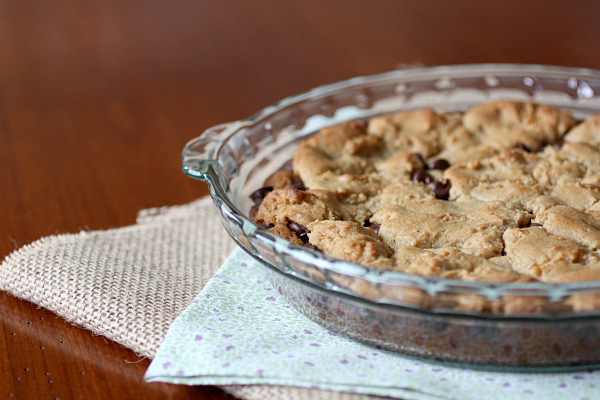
chocolate chip cookie pie

Who wouldn't love to devour this giant cookie? It's deep dish and perfect when served warm. It has two layers of homemade peanut butter cookie and melted chocolate chips in the middle. This is the stuff your sugar dreams are made of! Dive in, cut a piece or just eat the whole pie with a fork. We won't judge. We promise.

Chocolate chip cookie pie recipe

Yields 9-inch pie

Ingredients:2 cups creamy peanut butter1 cup white sugar1 cup brown sugar2 large eggs1 teaspoon baking soda1/8 teaspoon salt1 teaspoon vanilla extract1 cup chocolate chipsOptional: ice cream or whipped cream for toppingDirections:
    Preheat oven to 350 degrees F.Spray a 9-inch pie plate with nonstick spray and set aside until ready to fill.In a bowl of an electric mixer add peanut butter and sugars. Blend until combined. Add in eggs and mix until completely incorporated.Mix in baking soda, salt and vanilla extract.Press three-quarters of the dough into the bottom of the pie plate. Sprinkle with chocolate chips and drop rest of the dough, in clumps, onto of the chips. Press clumps to flatten.Bake for about 35 minutes until completely set but still a little gooey in the middle.
More cookie recipes

Sugarplum fruit butter thumbprint cookie recipe
Spiked peppermint mocha whoopie pie recipe
Brightly colored leaf sugar cookie recipe

2013年7月4日星期四

6 Fun fall fitness ideas to get you moving

Fall Fitness TrendsGetting stuck in a fitness rut can be surprisingly easy. Getting out of one and finding an inspiring activity to get you moving again can be a lot tougher. If you’re bored with your workout, we have some fun ways to spice things up this fall.
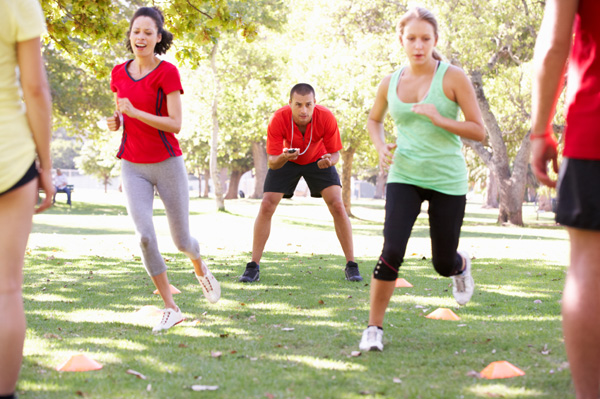
Woman in fall boot camp

We asked Mary Beth Knight, an ACE- and AFAA-certified CEC provider, creator of the muscle bar and founder of Fit Revolution, for her tips on how to get fit this fall.

Fitness trail workouts

Bored with your daily jog? Check with your local park system to locate parks in your area with fitness trails. This growing trend allows families and groups to work out together while having fun and getting some fresh air. “Fitness trails are usually anywhere from one to five miles in length and along the route have four to 12 fitness stations or obstacles where you can follow the direction board and perform lunges, squats, push-ups or use the outdoor equipment,” explains Knight.

Outdoor boot camps

Fitness boot camp classes in parks have been steadily gaining popularity over the past few years, but Knight says they aren’t a summer-only activity. “Many of these classes use what Mother Nature provided to sculpt and slim the body,” she tells us. “A typical outdoor boot camp experience might involve running hills or trails, climbing trees, swinging on the monkey bars and other high-intensity exercises using your body weight and obstacles such as fallen trees.” Some boot camps even encourage dog owners to bring their furry friends along with them.

Quick tip: Twenty ounces of fluid is a must per 60-minute hot yoga class, and while you are flushing toxins, consider what else you might need to replenish, namely minerals and vitamins.Hot yoga

Hot yoga might not seem like the best bet for sweltering summer weather, but now is a great time to try out this challenging form of yoga. “Cooler fall temperatures are driving yogis all over the country into the heat. Hot yoga studios are popping up all over the country and many fitness facilities are cranking on the heat themselves to heat the body in an effort to gain flexibility, flush toxins and alleviate stress,” says Knight. “One word of caution: Those who have never done yoga should participate in a regular class prior to trying hot yoga, and pregnant women and those with heart conditions or uncontrolled high blood pressure should seek advice from their medical professionals prior to attending.”

Night-time glow running groups

Running and walking group attendance is increasing across the country, but this fall they’re getting a little more interesting. “Glow groups are growing in popularity: Runners and walkers meet for their group adventure, but instead of fading into the crowd they are encouraged to make themselves shine,” says Knight. “Popular trends for increasing visibility come from clothing that has a 360-degree reflective approach, meaning that the front, back and sides of clothing have reflective materials sewn in. Runners and walkers are also buying up and donning glow sticks at a pretty rapid pace,” she explains.

Glow groups are just taking off and they’re not everywhere yet. Knight suggests searching online for local run/walk groups in your area. “If none of them are already lighting the night, then I suggest you head to the dollar store, pick up a few dozen cheap glow sticks and head to your run group,” she says. “Start the trend yourself if it hasn't found your hometown yet. We all need a little something to make running more fun.”

Indoor triathlons

Just because summer is over and the pools are closing doesn’t mean triathlon season has to come to an end. “Indoor triathlons are taking off like wildfire. Many fitness clubs with pools have started offering indoor triathlon series,” says Knight. “While clubs may run them differently, here is a common format for the event: 10-minute swim, 30-minute cycle, 20-minute treadmill run; he or she who covers the most distance overall wins.” The largest series is held by Life Time Fitness. If you don't find one in your area, head to your gym and ask them to start one.

Weight training

Cardio is important, but don’t forget about strength training. This fall, it’s time to start pumping iron, advises Knight. “Classes are hitting an all-time record high in attendance and for good reason; it can completely change your body in just a few short months,” she says. “Some of the most popular varieties are CrossFit and kettlebell classes, but a word to the wise: CrossFit is tough stuff so make sure you have a good cardiovascular fitness base as well as four to six weeks of weight training under your belt before diving in.”

More fitness tips and trends

Go back to basics with health and fitness this fall
Back-to-basics guide to weight lifting for women
Fitness technology for your best body
Eat a Mediterranean Diet It's really a lifestyle

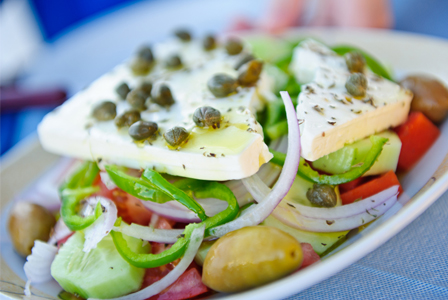
Healthy greek salad

May is National Mediterranean Diet Month. Use this time to practice making delicious heart-healthy meals — you’ll enjoy a healthy diet that's actually a lifestyle!

Taste the Mediterranean

Let your mind wander to your dream vacation for a moment: Maybe you see yourself relaxing on the beaches of the Mediterranean where the clear water sparkles brilliantly, the weather is perfect and the food is fresh and simply divine. Okay, so maybe a Mediterranean vacay is out of reach at the moment, but at least you can eat like you're in that region while you’re at home.

Paired with the delicious flavors, colors and textures of Mediterranean meals are numerous health benefits. The food eaten throughout Mediterranean countries like Italy, Israel, Greece, Morocco and Spain contributes to a heart-healthy diet.

Learn 10 ways to eat more Mediterranean foods >>The basics of a Mediterranean Diet

Think about the folks living in the Mediterranean countries. They enjoy wine, relax and savor their meals together and engage in physical activity — like walking — on a regular basis. Not a set meal plan but actually a lifestyle, a Mediterranean Diet consists of the following:

Eating whole grains and plant-based foods (nuts, oats, brown rice, lentils, whole wheat pasta, couscous). Try this recipe for warm lentil salad with portabella mushrooms.Reducing fatty foods, red meat and dairy products (or at least eating lower-fat dairy products).Incorporating fish into meals a few times a week (tuna, salmon, mackerel, sardines). Try this recipe for herbed salmon.Using olive oil instead of butter or margarine.Adding fruits and veggies to most meals.Limiting poultry and eggs to a few times a week.Eating fresh foods and limiting processed foods.Limiting salt intake, using herbs and spices instead.Enjoying red wine with dinner (if you don't or can't drink alcohol, drink purple or red grape juice instead).Limiting desserts and sweets (think of substituting fruit and nuts for dessert).Try a meatless Mediterranean feast >>The benefits of a Mediterranean Diet

If you haven’t heard, this lifestyle has health benefits associated with it. This way of eating and living has the potential to:

Prevent heart disease, stroke and some cancersLower cholesterolPrevent Type 2 diabetes and obesityPromote weight loss

It might take a bit of practice to change your eating and lifestyle habits, but the benefits will be worth it. You'll also experience new foods — and ways to prepare that food — that you may not otherwise have discovered.

What’s not to love about a Mediterranean Diet and lifestyle? If you can’t be in the Mediterranean, you can at least eat like you are!

More ways to eat a Mediterranean Diet

Ethnic approach to weight loss
Heart-healthy Greek recipes and Greek diet tips
Mediterranean Diet basics

2013年7月2日星期二

Meatless Monday Go green (and meatless) with green beans

Go For Great
Green Bean RecipesWhether your prefer thick Romano beans, thin and tender haricots verts, or are simply a string bean lover, this time of year is for you!

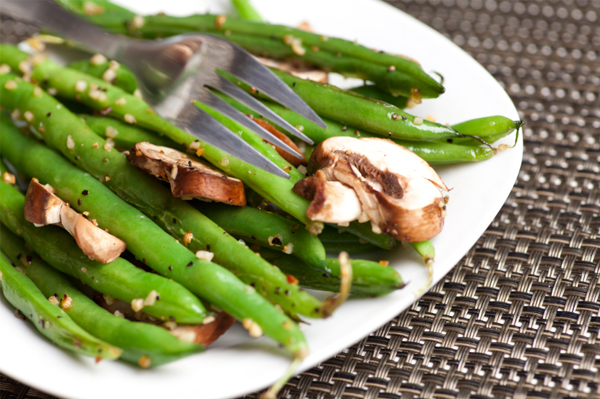
Green beens with mushrooms

Cutting out meat from your meals at least one day a week is great for your health and the health of the environment -- and it doesn't have to be difficult. With so many fresh vegetables to choose from, it's easier than you think. Green beans are sprouting up everywhere you turn these days, so why not give them a go?

The folks at Meatless Monday address many common questions curious consumers have about following a meat-free diet. Here is one example:

Q. Do I need to worry about getting enough protein on Meatless Monday?

A. No. A protein deficiency is very rare, even in full-time vegetarians. As long as you're eating enough calories to maintain a healthy weight and following the FDA's healthy diet guidelines, you're almost certain to get enough protein.

What's good about green beans?

Aside from tasting terrific, green beans are low in calories and provide an excellent source of vitamins A, K and C, manganese, folate, iron, protein and fiber (among other nutrients)! Who knew big things came in small packages?

Bean basicsKeep your fresh green beans stored in the fridge in a loose plastic bag for no more than a few days.Green beans can be cooked whole, snapped in half or cut diagonally for a French-cut style.Avoid serving mushy green beans by cooking them until they are crisp-tender. When you bite into the bean, it should have a slight crunch to it. Steam, boil or sauté them.

Many green bean recipes are made for side dishes or as salads, but don't let that stop you from enjoying their goodness paired with another healthy and meat-free dish. Green beans can easily be added to many recipes to create a light meal. Check out your options!

Ravioli with green beans and brown butter sauce
Black and green bean barley salad
Pickled green beans
Molly Katzen's eggplant, green beans and pumpkin in curry sauce
Greek bean and tomato casserole

Going green -- and meat-free -- at least one day a week is easier than you think. Follow some of these great recipes to make it even easier!

More Meatless Monday recipes

Meatless Monday Mediterranean style
Take advantage of tomato season
Meatless Monday: What's the news?
Start the week with a pizza party!